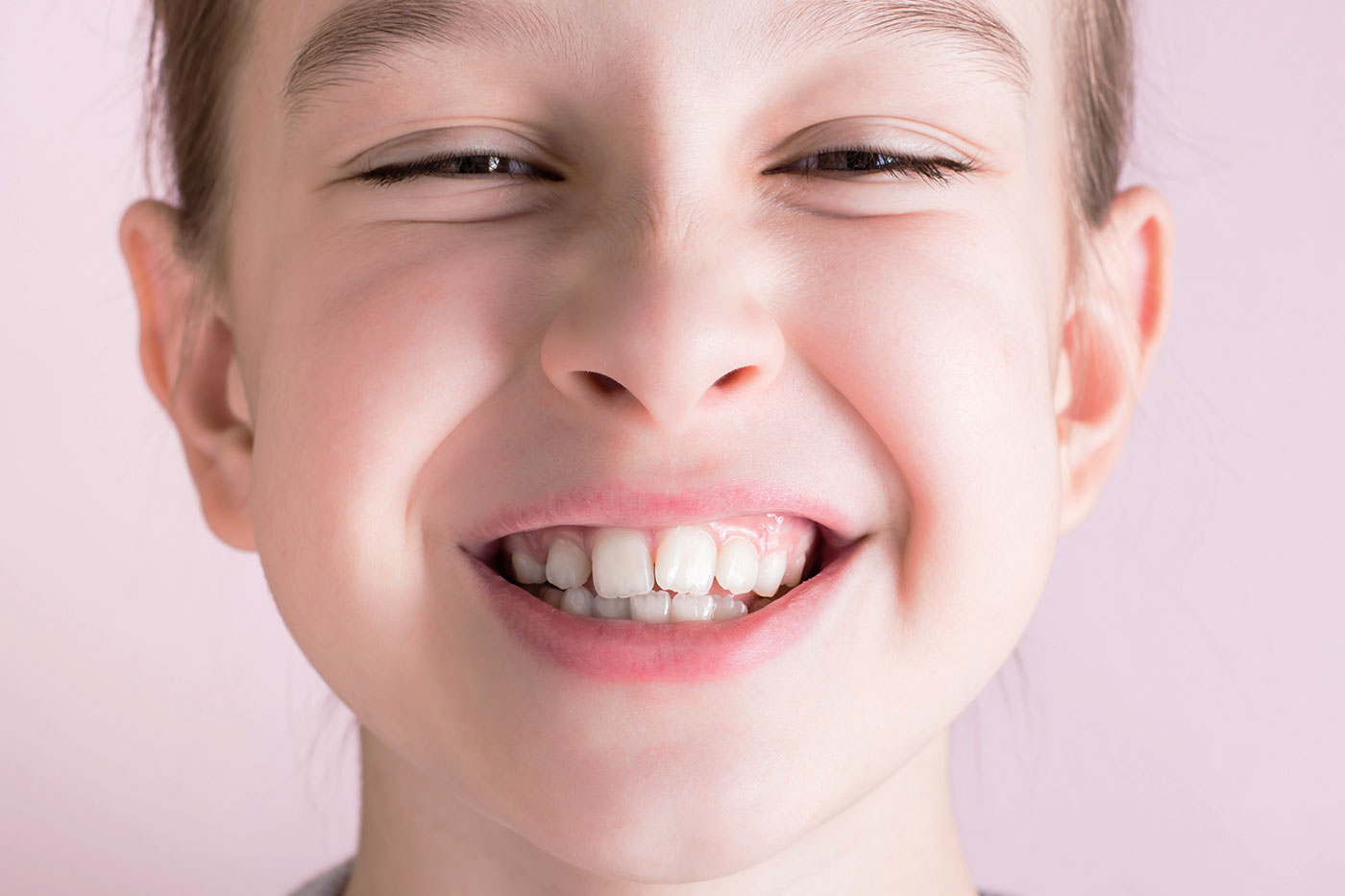
Watching your child grow includes noticing milestones like learning to speak, walk, and even smile. Dental health plays a big role in overall wellbeing, and sometimes braces are necessary to correct alignment issues early. Identifying the signs that your child may need braces can make a big difference in their comfort and confidence later.
Here are some key indicators to watch for:
• Crowded or crooked teeth:
If your child’s teeth overlap or appear twisted, it may be a sign that there is not enough space in the mouth for proper alignment.
• Difficulty chewing or biting:
Trouble with chewing certain foods or discomfort while biting can indicate misaligned teeth or jaw issues that braces can help correct.
• Mouth breathing or speech issues:
Consistent mouth breathing or speech problems like lisping may be related to dental alignment or jaw development issues.
• Thumb sucking or prolonged pacifier use:
Extended habits like thumb sucking beyond age four can affect the growth of teeth and jaw alignment, often requiring orthodontic intervention.
• Early or late loss of baby teeth:
Losing baby teeth much earlier or later than usual can disrupt the proper positioning of permanent teeth and lead to spacing problems.
• Jaw discomfort or popping:
Complaints about jaw pain or noises when opening or closing the mouth may indicate bite misalignment that braces can address.
• Noticeable gaps or uneven bite:
Large spaces between teeth or a bite that does not close evenly are often signs that orthodontic treatment is needed.
Early evaluation by an orthodontist is important. Even if your child shows only one or two of these signs, a professional can determine whether braces or other orthodontic solutions are necessary.
Catching potential issues early can reduce the need for more extensive treatment in the future and help your child enjoy a healthy, confident smile.