We often hear the phrase “brush twice a day” – but what if you’re brushing too much, or too hard? While good oral hygiene is essential for a healthy smile, there can be too much of a good thing. Overbrushing, also known as “toothbrush abrasion,” can do more harm than you might expect.
Let’s take a closer look at what overbrushing is, how it can affect your teeth and gums, and what you can do to protect your oral health.
What Is Overbrushing?
Overbrushing typically refers to either:
• Brushing too hard.
• Brushing too frequently.
• Using a hard-bristled toothbrush.
While brushing is vital for removing plaque and preventing cavities and gum disease, being overly aggressive can wear away your tooth enamel and damage your gum tissue.
Signs You Might Be Overbrushing
You might not even realize you’re doing it. Here are some signs to watch for:
• Tooth sensitivity, especially to hot, cold, or sweet foods.
• Receding gums, where the gumline pulls away from the teeth.
• Notches or grooves near the gumline (a sign of enamel erosion).
• Fraying bristles on your toothbrush within a few weeks.
If you’re experiencing any of these symptoms, it’s worth reviewing your brushing habits with your dentist or hygienist.
Why Is Overbrushing Harmful?
1. Enamel Erosion
Enamel is the hard outer layer of your teeth. Once it’s worn down, it doesn’t grow back. Overbrushing can strip enamel away, leaving your teeth vulnerable to sensitivity and decay.
2. Gum Recession
Vigorous brushing can push your gums back, exposing the delicate roots of your teeth. Gum recession increases the risk of root decay and can lead to long-term periodontal issues.
3. Aesthetic Changes
As enamel wears down and gums recede, your teeth may start to look longer or yellower due to the exposure of the underlying dentin. This can impact the appearance of your smile.
How to Brush Properly
The goal is to clean your teeth – not scrub them. Here’s how to brush effectively and safely:
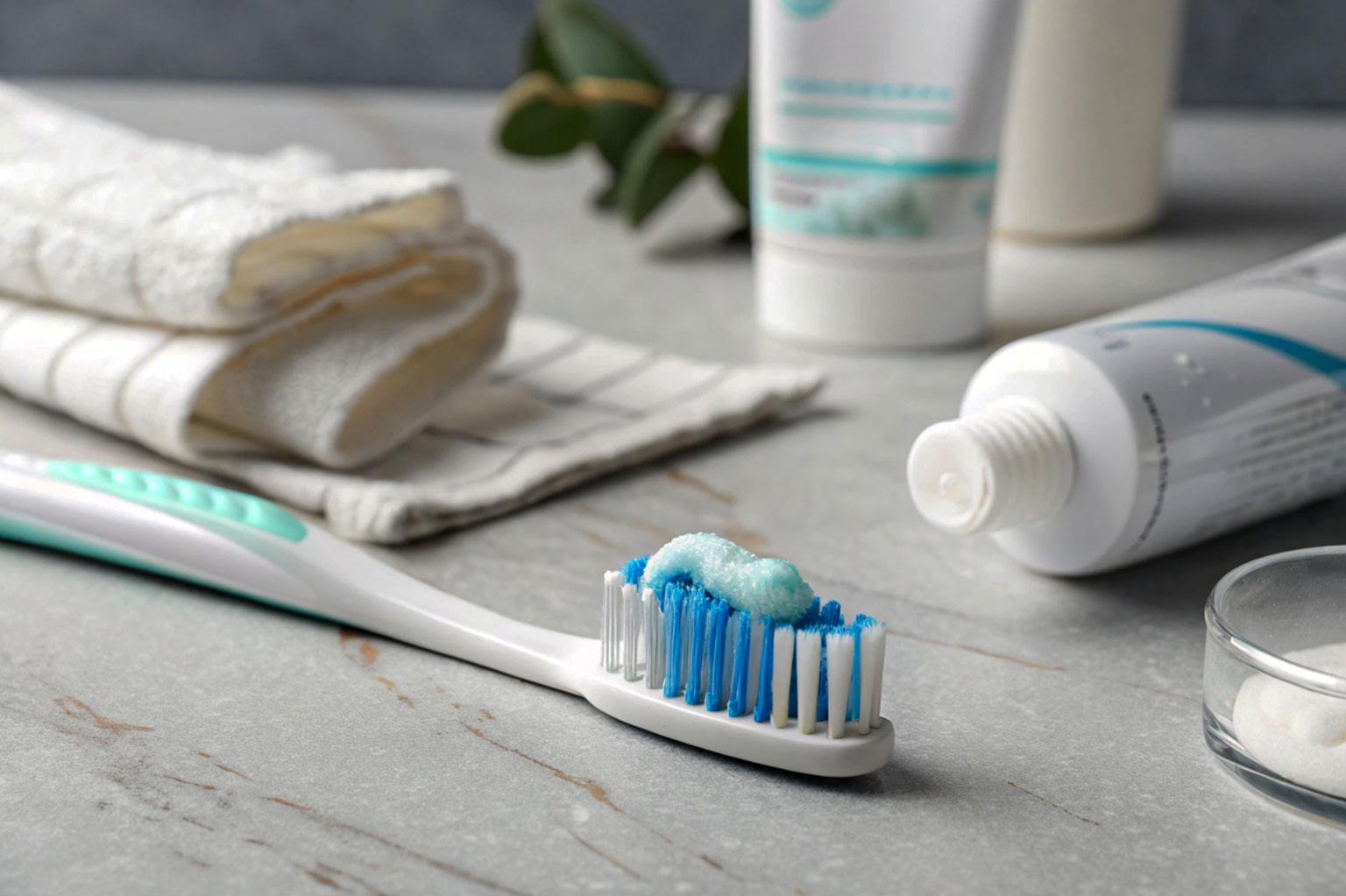
• Use a soft-bristled toothbrush (manual or electric).
• Brush for two minutes, twice a day.
• Use light pressure – enough to remove plaque, but not so much that it bends the bristles.
• Angle your brush at 45 degrees to the gumline and use gentle circular motions.
• Let an electric toothbrush do the work – just guide it, don’t push it.
Bonus Tip: Watch Your Timing
Avoid brushing immediately after consuming acidic foods or drinks (like citrus or fizzy drinks), as your enamel is temporarily softened and more vulnerable to damage. Wait at least 30 minutes before brushing.
Final Thoughts
Brushing your teeth is one of the best things you can do for your oral health – but like many things in life, moderation and technique matter. If you’re concerned about sensitivity, gum recession, or your brushing habits, don’t hesitate to ask your dentist for advice.